
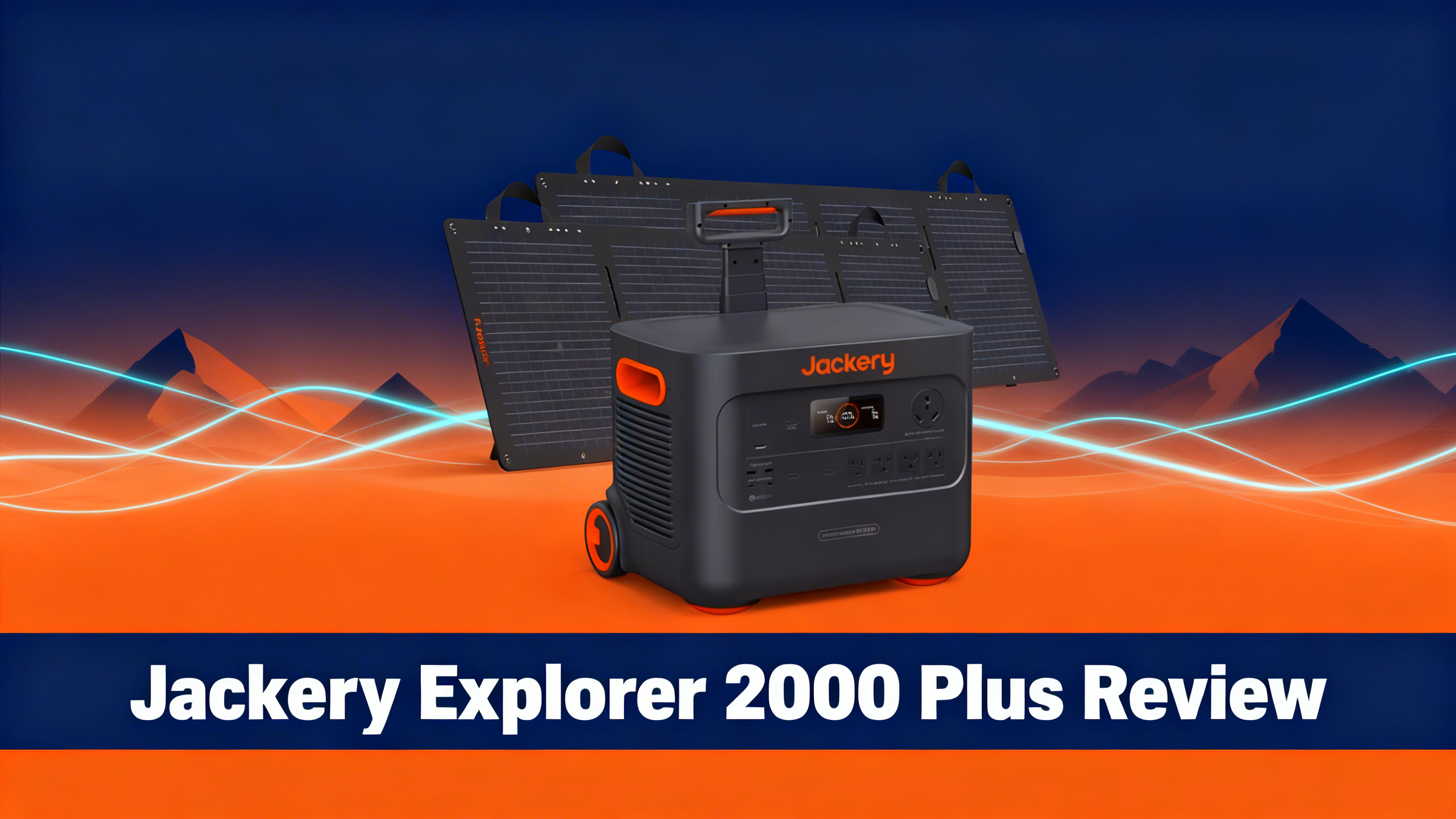
Looking for a portable power station that can handle serious off-grid demands today and scale to whole-home backup capacity tomorrow? The Jackery Explorer 2000 Plus makes a compelling case at its current price of $899, down significantly from its $1,399 launch price. The core proposition: 2042.8Wh of LiFePO4 capacity, 6000W peak output in parallel mode, and a modular expansion system that grows to 24kWh with add-on battery packs.
That last feature is where the 2000 Plus separates itself from competitors at this price. Most 2kWh-class stations are fixed-capacity units. The 2000 Plus is a platform. For a broader look at every new Jackery model released in 2025–2026, the full Jackery new lineup guide covers all options across capacity tiers.

Real-World Look: The Explorer 2000 Plus at Home
Studio renders only tell part of the story. Here is how the Explorer 2000 Plus actually looks in an owner’s living room, including the rolling wheel base and the rear AC/DC expansion ports that make its modular battery system practical in daily use.
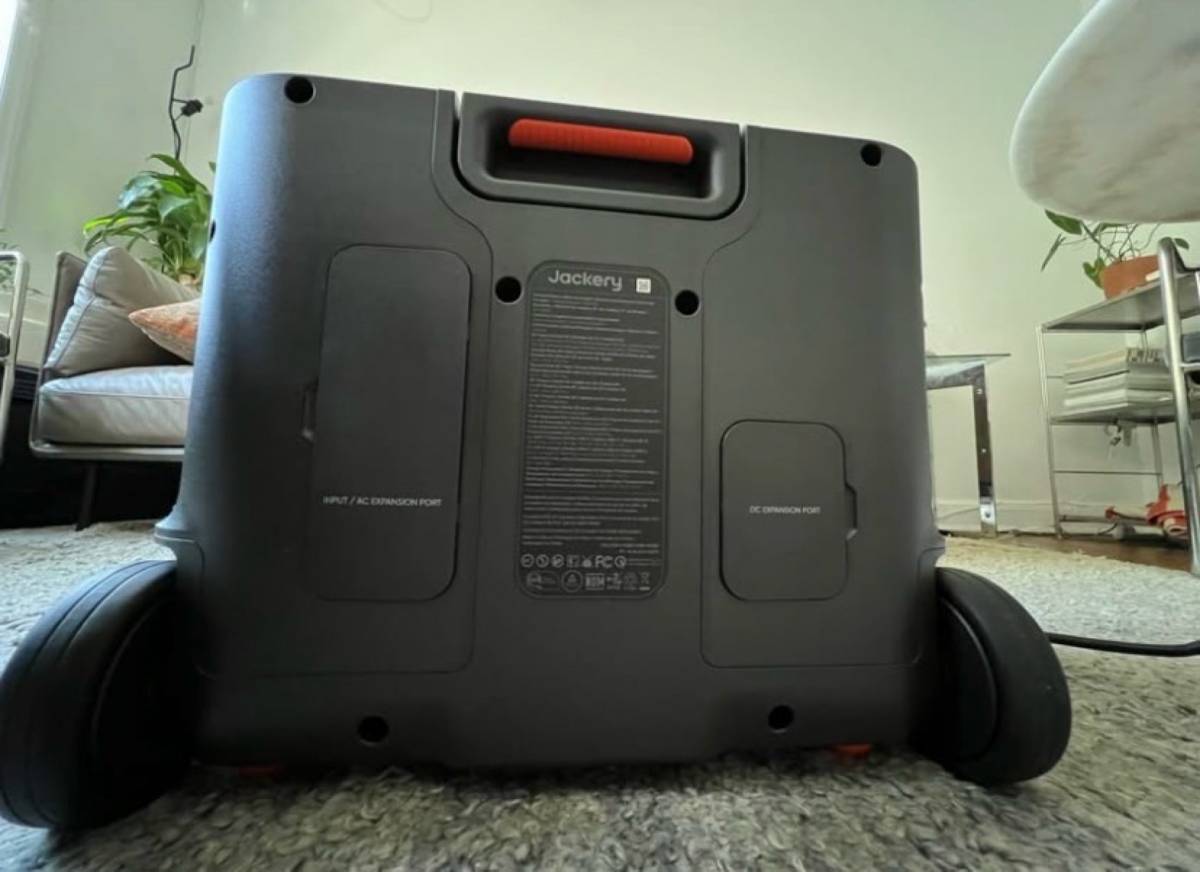
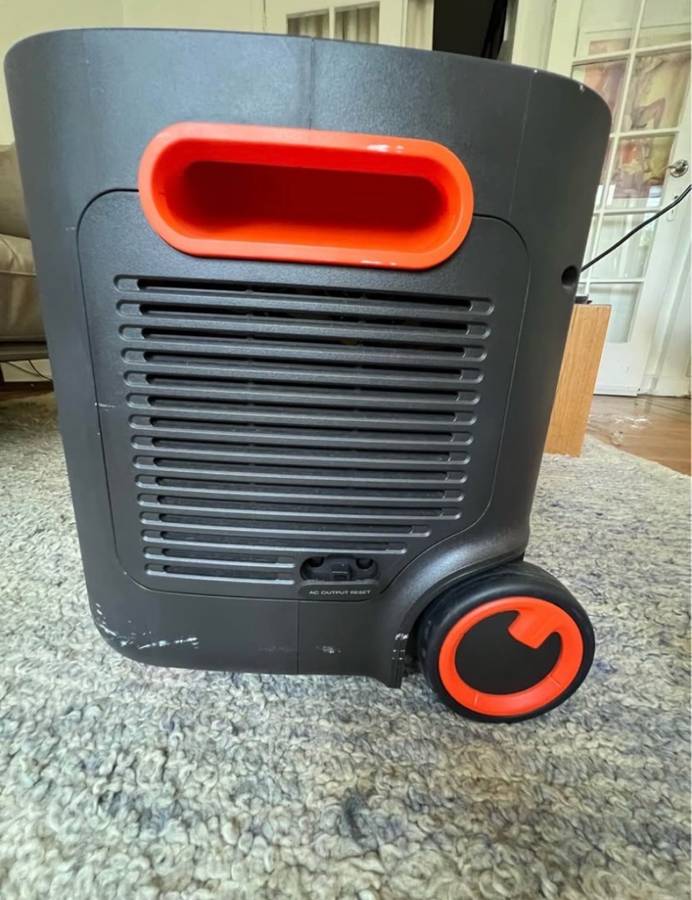
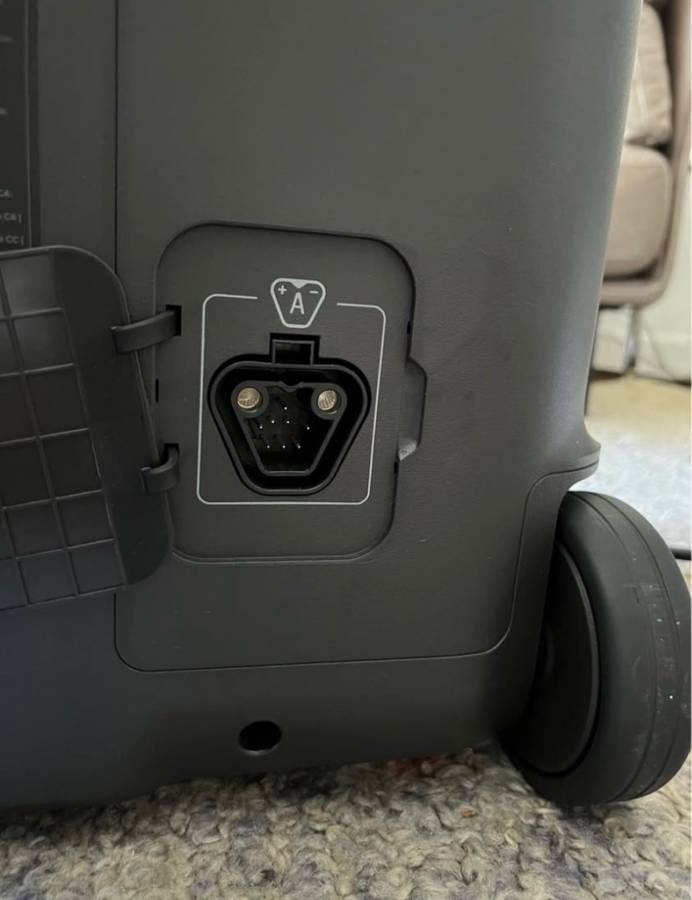
Real-world photos of the Jackery Explorer 2000 Plus.
Jackery Explorer 2000 Plus
$899 $1,399
- 2042.8Wh expandable to 24kWh
- 6000W output, 120/240V capable
- LFP battery, 10-year lifespan
Price verified April 2026 | Free shipping available
Jackery Explorer 2000 Plus: Key Specs at a Glance
The Explorer 2000 Plus sits at the top of Jackery’s current portable lineup, priced at $899 (down from $1,399). At its core: 2042.8Wh of LiFePO4 (LFP) capacity, 3000W AC output as a standalone unit, and a modular expansion system that scales to 24kWh with five Battery Pack 2000 Plus add-ons. That combination puts it in a different category from single-capacity competitors at this price point.
The specs below reflect the standalone unit configuration. Parallel mode specs (6000W AC, 120/240V) apply when two units are connected.
The specs above tell a straightforward story: this is a high-output unit with genuinely differentiated expandability. The 6000W parallel mode and 24kWh ceiling are not paper specs that only matter in theory. For RV builds, off-grid cabins, and home backup setups that need room to grow, they translate directly into practical capability. See the official Jackery product page for full technical documentation.
Jackery Explorer 2000 Plus: Overall Rating
9.0/10
“The most versatile expandable power station at this price point”
Capacity & Runtime 9/10
Output Power 9.5/10
Expandability 10/10
Solar Charging Speed 9/10
Value for Money 8.5/10
Portability 7/10
Performance Analysis: What the Data Shows
Spec sheets establish the baseline. What matters is what those numbers mean in practice. Performance data for the Explorer 2000 Plus consistently shows three standout areas: output headroom, solar recharge speed, and long-term battery durability.
Output Power and Surge Handling
The 3000W continuous AC output is a meaningful jump over the previous generation. The Explorer 2000 Pro was capped at 2200W standalone. That 800W difference matters when you’re running power tools, a portable HVAC unit, or a mid-size induction cooktop. In parallel mode, two 2000 Plus units combine for 6000W continuous and 12000W surge, which covers virtually any residential load short of a central HVAC system.
The 120/240V capability in parallel is the other standout. Most portable stations in this price tier deliver 120V only. The 240V output opens up EV charging, well pumps, and large appliances that won’t run on standard 120V.
Charging Speed: The IBC Advantage
IBC stands for Interdigitated Back Contact, a solar cell architecture that places electrical contacts on the back of the cell rather than the front. The practical result: higher efficiency per panel, which translates to faster recharge with the same number of panels. With six SolarSaga 200W panels connected (the maximum supported input of 1200W), the 2000 Plus reaches full charge in approximately 2 hours under strong sun. Standard MPPT-based systems at the same panel count would typically require 3–4 hours for comparable capacity.
AC recharge is equally fast at 2 hours to 80%. That’s a spec that matters for users cycling between grid and off-grid use regularly. See Jackery’s 5-year warranty policy for details on coverage terms that apply to this unit.
Battery Longevity and ChargeShield
LiFePO4 chemistry delivers 2000+ charge cycles before capacity drops to 80%, versus 500–800 cycles for standard lithium-ion. Jackery rates the 2000 Plus at a 10-year lifespan under typical use. The ChargeShield technology adds another layer: its variable-speed charging algorithm reduces heat stress during fast charging, which Jackery claims extends effective battery life by 50% compared to conventional fast-charge approaches. In practical terms, a unit cycled daily under normal conditions should remain serviceable well into the 10–15 year range.
What Can the Explorer 2000 Plus Power?
For custom appliance combinations and multi-device scenarios, the run time estimates tool handles any configuration. The figures below use the 2042.8Wh capacity as baseline, calculated at 85% system efficiency to reflect real-world inverter losses.
What Can the Explorer 2000 Plus Power? (2042.8Wh)
❄️
Mini Fridge
~28 hrs
60W avg
🏠
Full-Size Fridge
~17 hrs
100W avg
❄️
Window AC (5,000 BTU)
~4 hrs
450W avg
💻
Laptop + Monitor
~20 hrs
85W combined
📺
TV + Streaming Box
~34 hrs
50W avg
🔧
Power Tools (1000W)
~1.7 hrs
1000W continuous
Runtime calculations based on 2042.8Wh capacity at 85% efficiency. Actual results vary with temperature and load cycle.
The two use cases that stand out at this capacity: short-term home backup and high-demand camping. For home backup, the 2000 Plus covers a full-size refrigerator for roughly 17 hours, combined lighting and device charging for 20+ hours, and essential medical equipment for an extended outage window. How long will a Jackery 2000 run a refrigerator? Based on capacity calculations: approximately 17 hours for a full-size unit drawing 100W average, and up to 28 hours for a compact 60W mini-fridge. For larger parties, see how the 2000 Plus stacks up against other group camping high-capacity systems.
For intensive camping use, the combination of 2kWh base capacity and fast solar recharge means you’re not rationing power. Run an induction cooktop for dinner, charge laptops and phones overnight, and replenish through solar during the day. The math works. The 2000 Plus is also a popular base unit in our glamping power setups guide.
Ports and Connectivity


The port layout covers all the standard connection needs: 4 AC outlets running 120V, two USB-C ports at 100W each (Power Delivery), USB-A outputs, DC barrel outputs, and a car port. For most users, the 4 AC outlets are sufficient for simultaneous multi-appliance use without the need for power strips.
The parallel mode configuration is where the connectivity story changes meaningfully. Connect two Explorer 2000 Plus units and you get 120/240V output, which opens up applications that single-phase 120V systems can’t handle: 240V EV charging, large well pumps, and appliances with dual-voltage requirements. The Jackery app provides monitoring and charge control. One limitation worth noting: the 2000 Plus does not include native WiFi. Connectivity runs through the app via Bluetooth or the included cable interface, which is less convenient than the over-the-air monitoring offered by some competitors.
The Expandable System: From 2kWh to 24kWh

The expansion architecture is the defining feature of this unit. The base 2042.8Wh capacity is the starting point, not the ceiling. Each Battery Pack 2000 Plus adds another 2042.8Wh, and the system supports up to five packs per unit. That brings a single 2000 Plus to approximately 12.25kWh fully loaded. Connect two 2000 Plus units in parallel, each with five battery packs, and you reach the system maximum of 24kWh.
At $899 per Battery Pack 2000 Plus (same price as the base unit), the cost-per-kWh scales predictably. A 4kWh system (base plus one pack) runs $1,798. A full 12.25kWh single-unit configuration costs $5,394. Compared to dedicated home battery systems from Anker SOLIX or EcoFlow, the per-kWh cost is higher, but the portability and modularity are different value propositions entirely. For a full breakdown of the wiring options, parallel mode, and how to expand to 24kWh for whole-home backup scenarios, see the dedicated expansion guide.

The Battery Pack 2000 Plus currently runs $899, matching the price of the base unit. The BMS handles all balancing and thermal management automatically across the expansion stack, so there’s no complex configuration involved in adding capacity.
Jackery Explorer 2000 Plus: Who Should Buy It?
✅ Buy this if…
- You need more than 2kWh today but want the option to scale to 24kWh later
- You run RV trips, van builds, or off-grid systems that demand 6000W peak output
- Home backup is a priority and you want a portable unit that can grow into a stationary system
- Fast solar recharge matters: 2 hours with 6x200W IBC panels is a class-leading spec
❌ Skip this if…
- You need maximum portability: at this capacity class, weight is unavoidable
- Your budget is tight and you only need 2kWh: the Explorer 2000 v2 at $799 covers that need
- You want a pre-built whole-home system: the HomePower 3000 or Anker SOLIX F3800 offer more integrated solutions
How It Compares to the Previous Generation
The 2000 Plus was engineered to succeed the Explorer 2000 Pro, and the gap between generations is substantial across every measurable spec. The 2000 Pro delivered 2000Wh at 2200W continuous output with no expansion capability and standard MPPT solar charging. The 2000 Plus upgrades every one of those figures.

Output power jumped from 2200W to 3000W standalone (a 36% increase), and the addition of parallel mode pushes that to 6000W. The expansion system is the most consequential change: the 2000 Pro was a fixed-capacity unit, full stop. The 2000 Plus starts at 2042.8Wh and scales to 24kWh. IBC solar technology replaces standard MPPT, cutting solar recharge time roughly in half. The 2000 Plus is also heavier than the Pro, which is the expected trade-off for the larger capacity and expanded output hardware.
For buyers weighing the two options today: the 2000 Pro has been largely discontinued from primary Jackery inventory. At similar street prices, the 2000 Plus is the stronger purchase in every dimension that matters for long-term use.
Jackery New Models 2025–2026: Full Lineup Guide
See how the 2000 Plus fits across Jackery’s complete current catalog by capacity tier.
Best Use Cases
Three scenarios where the Explorer 2000 Plus performs at its strongest:
RV living and van builds. The 6000W parallel output handles high-draw appliances that most portable stations can’t touch. Expansion to 24kWh means multi-day off-grid stays without generator dependency. The IBC solar recharge integrates well with rooftop panel setups that can deliver 600W–1200W of input during peak hours. For a full breakdown of home backup use cases with Jackery equipment, including transfer switch integration, a dedicated guide covers the full setup.
Home backup. With 2042.8Wh base capacity and the ability to add packs incrementally, the 2000 Plus can start as a backup power source for essentials (refrigerator, lighting, medical devices) and grow into a more comprehensive system as budget allows. The 120/240V parallel capability is a specific advantage for homes with 240V appliances.
Job site power. The 6000W surge handles the startup loads of circular saws, table saws, and air compressors that would trip other portable stations. A full charge provides meaningful runtime for intermittent high-draw tool use over a full workday.
Portable Power Station Runtime Calculator
Calculate exact runtime for your specific appliance mix with the 2000 Plus.
Warranty and Support
The Explorer 2000 Plus carries a 3-year standard warranty, extendable to 5 years total with Jackery’s automatic extension program for purchases through official channels. The details are outlined on Jackery’s 5-year warranty policy page. US-based support handles replacement claims and technical issues. By current industry standards, EcoFlow and Anker SOLIX both offer 5-year warranties, and Bluetti provides 4 years. The 2000 Plus matches the top tier of the market on warranty coverage.
Final Verdict: Is the Explorer 2000 Plus Worth $899?
Analysis of the Explorer 2000 Plus data points to a clear conclusion for the right buyer profile. At $899 (down from $1,399), you’re getting 2042.8Wh of LFP capacity, 3000W standalone output, 6000W in parallel, IBC solar charging, and an expansion system that scales to 24kWh. That combination doesn’t exist elsewhere in this price bracket.
The caveats are equally clear. It’s not a lightweight unit, so portability-focused buyers should look at smaller capacity options. And if you only need 2kWh with no future expansion plans, the Explorer 2000 v2 at $799 covers that need with less complexity. But for buyers who want a system that starts useful today and grows with their needs over time, the 2000 Plus represents the most capable expandable portable station currently available at this price point.
Jackery Explorer 2000 Plus
$899
Best expandable power station under $1,000
Price verified April 2026. Free shipping available
Frequently Asked Questions
How long will the Jackery Explorer 2000 Plus run a refrigerator?
Runtime calculations based on the 2042.8Wh capacity indicate approximately 17–28 hours depending on refrigerator size. A standard full-size fridge drawing 100W average runs roughly 17 hours. A compact 60W mini-fridge extends that to around 28 hours. These figures assume 85% system efficiency and typical compressor cycling. Actual results vary with ambient temperature and door-opening frequency.
How many battery packs can the Explorer 2000 Plus support?
The Explorer 2000 Plus supports up to five Battery Pack 2000 Plus units. Each pack adds 2042.8Wh, bringing the combined capacity to approximately 12.25kWh with the full complement of packs. Two Explorer 2000 Plus units connected in parallel and each paired with five battery packs reach the system maximum of 24kWh. The battery management system handles all balancing automatically.
What is the difference between the Explorer 2000 Plus and the Explorer 2000 Pro?
The 2000 Plus supersedes the 2000 Pro with three significant upgrades: expandable capacity (the Pro offered no expansion), higher AC output (3000W vs 2200W standalone), and IBC solar technology enabling 2-hour full recharge. The 2000 Pro carries a different form factor and has been discontinued from primary Jackery inventory. For most buyers evaluating these two options today, the 2000 Plus represents the stronger long-term investment.
How fast does the Explorer 2000 Plus charge via solar?
With six SolarSaga 200W panels connected (the maximum supported configuration), the 2000 Plus reaches full charge in approximately 2 hours under optimal sun conditions. IBC (Interdigitated Back Contact) technology increases panel efficiency versus standard MPPT setups. Single-panel configurations proportionally extend charge time: one 200W panel provides roughly 12–14 hours of recharge under ideal conditions.
Can the Explorer 2000 Plus power a window air conditioner?
A standard 5,000 BTU window AC drawing around 450W average runs approximately 3.5–4 hours on a single charge. A 10,000 BTU unit drawing 900–1,000W reduces that to 1.8–2 hours. The 3000W AC output handles the startup surge of most window units; larger central AC systems require the 6000W parallel configuration. For sustained AC use over multiple days, pairing with solar panels to offset consumption is the recommended approach.
Originally published: April 15, 2026