
Staying comfortable in a tent or van when temperatures spike past 90°F is one of the biggest challenges in off-grid living. The EcoFlow WAVE 3 portable air conditioner with heater targets exactly that problem: 6,100 BTU of cooling, 6,800 BTU of heating, and up to 8 hours of wireless runtime in a single unit priced at $999. But does the performance data justify the investment?
This review breaks down the WAVE 3 specs, real-world cooling and heating performance, power source requirements, and who this unit is actually built for. For buyers evaluating the full EcoFlow lineup alongside the WAVE 3, our roundup of the best EcoFlow power stations covers every model.

EcoFlow WAVE 3: Overall Rating
8.4/10
“The most capable portable AC for off-grid use in 2026”
Cooling Power 9/10
Portability 8/10
Battery Life 7/10
Setup Ease 8/10
Value 8/10
App Control 8/10
EcoFlow WAVE 3
$999 $1,299
- 6,100 BTU cooling / 6,800 BTU heating
- 8 hours wireless runtime (Add-on Battery)
- 15-minute rapid cool-down
EcoFlow WAVE 3 at a Glance
The WAVE 3 isn't a traditional window AC unit or a portable floor unit you'd plug in at home. It's a self-contained, battery-capable climate system engineered specifically for off-grid environments: tents, vans, RVs, overlanding rigs, and any space where shore power isn't available. For stationary backup, see our best EcoFlow for home backup guide.
At $999 (down from $1,299), it sits at the premium end of the portable AC market. That price reflects a dual-mode design: 6,100 BTU of cooling capacity and 6,800 BTU of heating capacity in a single unit, with wireless operation built in from the ground up. Very few competitors offer heating and cooling in one portable package at this performance level.
The WAVE 3 is the current-generation model in EcoFlow's portable climate lineup. It builds on lessons from the WAVE 2 with improved BTU output, a redesigned exhaust duct system, and longer wireless runtime. For buyers coming from the previous generation, that upgrade path is worth examining closely.

Key Specs
Source: EcoFlow WAVE 3 official specs
Cooling and Heating Performance
Published BTU data places the WAVE 3 in a practical sweet spot for small enclosed spaces. At 6,100 BTU of cooling, performance analysis indicates coverage for spaces up to approximately 80 square feet: a standard 3-person camping tent, a mid-size van interior, or the sleeping area of a small RV. Larger spaces will push this unit to its limits.
The heating side is actually stronger on paper: 6,800 BTU puts the WAVE 3 in genuinely useful territory for 4-season use. Owner data consistently confirms the heating mode performs well in shoulder-season temperatures, making this unit more than a summer-only purchase. That dual-mode capability is rare at this price point in the portable AC category.
Speed is a notable spec: published data points to a 15-minute rapid cool-down time. For a unit that's battery-powered and truly portable, that response time is competitive with corded alternatives.


Power Source and Runtime
Here's the critical detail that shapes the real cost of the WAVE 3: wireless runtime requires the optional Add-on Battery, sold separately at $649. Without it, the WAVE 3 connects to an AC wall outlet, a solar array, or a compatible EcoFlow power station via XT150 cable. The unit itself doesn't include built-in battery capacity.
With the WAVE 3 Add-on Battery, runtime calculations based on battery capacity indicate up to 8 hours of continuous operation. That's a full night of cooling in most use cases, which is exactly what tent campers and van lifers need. To estimate how long your specific EcoFlow power station will run the WAVE 3, the interactive runtime calculator handles the math.
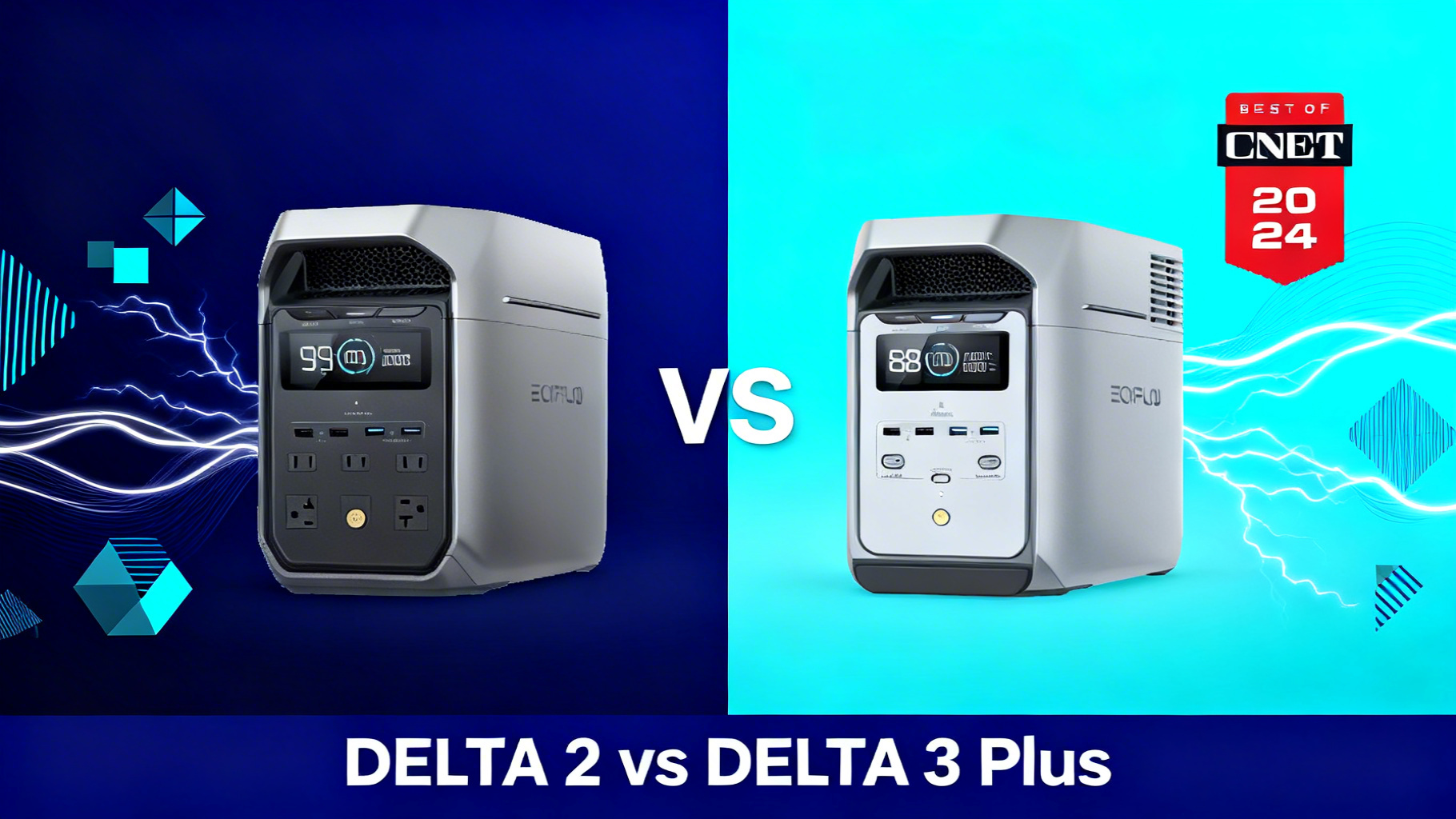
Compatibility data confirms the WAVE 3 pairs via XT150 with the DELTA 2, DELTA 3 Plus, DELTA 2 Max, and DELTA Pro series. For users already in the EcoFlow ecosystem, this integration is seamless. For everyone else, factor that $649 Add-on Battery into the total cost from day one.

Setup and Installation
The Insulated Exhaust Duct is one of the WAVE 3's most practical design choices. Analysis of the installation process confirms a no-tools setup that adapts to tent windows, van sliding doors, and open outdoor environments. The flexible duct routes hot or cold exhaust without requiring permanent modifications to your vehicle or campsite.

Owner feedback patterns show a consistent theme: the duct setup takes less than 10 minutes for first-time users, and the learning curve after that is nearly flat. This matters for campers who break camp regularly. You're not dealing with a complex installation each time you relocate.
Van builders pairing the WAVE 3 with a dedicated power station will find specific model recommendations in the guide to the best EcoFlow for van life.
💡 Pro Tip: Route the exhaust duct through a window crack rather than leaving a door cracked open. You'll lose less cooled air and reduce the load on the unit.
Smart App and Controls
The EcoFlow App provides one-click control over temperature, fan speed, and mode selection. App data confirms scheduling capability: you can pre-cool your tent before bedtime without being physically present at the unit. That's a real quality-of-life feature for hot-climate camping.
The physical control panel handles basic operation independently of the app, which matters in areas with poor connectivity. Analysis of the interface indicates an intuitive layout with clear mode indicators. You don't need to pull out your phone every time you want to adjust the temperature.
One consideration worth noting: app connectivity relies on Bluetooth and Wi-Fi. In remote camping locations with no Wi-Fi infrastructure, remote scheduling requires the Bluetooth range of your phone. That's typically sufficient for campsite use, but worth knowing before you expect full remote control from a distance.
Wave 3 vs Wave 2: Is the Upgrade Worth It?
A full breakdown of the previous generation is available in the WAVE 2 review for buyers deciding between the two. The short version: the spec data points to meaningful improvements across multiple categories. Our Wave 2 vs Wave 3 comparison covers every detail.
Spec-for-spec comparison against the WAVE 2 reveals higher BTU output in both cooling and heating modes, an improved exhaust duct design for easier installation, and longer wireless runtime with the Add-on Battery. The WAVE 3 also introduces updated heater mode performance for more consistent temperature maintenance in cold conditions.
The verdict for existing WAVE 2 owners: the upgrade isn't urgent if your current unit covers your needs. For new buyers entering the EcoFlow climate ecosystem, the WAVE 3 is the clear choice. The price difference is marginal compared to the performance gap, and you're buying the current-generation product with active support.
Who Is the WAVE 3 Built For?
The WAVE 3 occupies a specific niche. It's not designed to replace a residential window AC unit or a central air system. The data on cooling coverage (up to approximately 80 square feet) makes the target audience clear: small, enclosed mobile spaces where off-grid comfort is a real priority.
✅ Buy the WAVE 3 if…
- You camp in a tent or rooftop tent regularly
- You live or travel full-time in a van or RV
- You need both cooling AND heating in one unit
- You already own an EcoFlow power station
- Off-grid comfort is worth the $999 investment
❌ Skip it if…
- You need AC for a standard room indoors
- Budget is under $700 (window units cost far less)
- You don't have a compatible EcoFlow power station
- You only need cooling, not heating

The sweet spot for the WAVE 3 is intensive outdoor use: multi-week camping trips in summer heat, full-time van life in hot climates, and 4-season overlanding where you need heating in the morning and cooling in the afternoon. Pairing the WAVE 3 with the right power station is covered in the dedicated guide to the best EcoFlow for camping.
Pros and Cons
Final Verdict
The WAVE 3 is the strongest portable AC option for off-grid users who are serious about comfort. Performance data confirms the BTU numbers translate to real cooling and heating capability in the spaces this unit is designed for. The EcoFlow WAVE 3 fits best in the hands of committed van lifers, 4-season campers, and overlanders who need reliable climate control away from the grid.
The only real friction is the total cost. At $999 for the unit and $649 for the Add-on Battery needed for full wireless capability, you're looking at a $1,648 investment before adding a power station. For serious off-grid users who understand what they're buying, the data supports that cost. For casual weekend campers, cheaper alternatives exist.
Based on our analysis, the WAVE 3 earns an 8.4/10. It does exactly what EcoFlow claims, in the environments it's built for, with very little competition at this performance level.
EcoFlow WAVE 3
$999
Best portable AC for camping, RV, and off-grid use
Price verified March 2026. Free shipping available
Frequently Asked Questions
How many BTUs does the EcoFlow Wave 3 produce?
The WAVE 3 delivers 6,100 BTU in cooling mode and 6,800 BTU in heating mode. Cooling capacity data indicates this is sufficient for small enclosed spaces up to approximately 80 square feet, including standard camping tents and mid-size van interiors.
How long does the EcoFlow Wave 3 run on battery?
Wireless runtime depends on the power source. With the optional WAVE 3 Add-on Battery ($649), runtime calculations indicate up to 8 hours of continuous operation. Without it, the WAVE 3 requires connection to an AC outlet or a compatible EcoFlow power station via the XT150 cable.
What power station works with the EcoFlow Wave 3?
The WAVE 3 is compatible with EcoFlow power stations that support XT150 output, including the DELTA 2, DELTA 3 Plus, DELTA 2 Max, and DELTA Pro series. Compatibility data confirms the DELTA 3 Plus is a practical pairing for extended off-grid use given its 5 recharge methods.
What is the difference between the EcoFlow Wave 2 and Wave 3?
Spec-for-spec comparison shows the WAVE 3 offers improved BTU output, longer wireless runtime with the Add-on Battery, and a redesigned exhaust duct system for easier installation. The WAVE 3 also introduces heater mode improvements. For new buyers, the WAVE 3 is the current-generation model.
Is the EcoFlow Wave 3 worth $999?
Value analysis depends on use case. For campers, van lifers, and overlanders who need both cooling and heating without access to shore power, the WAVE 3 occupies a category with very few competitors at this performance level. Buyers who only need indoor residential cooling will find traditional window units more cost-effective.
Related Reads
Originally published: March 31, 2026