
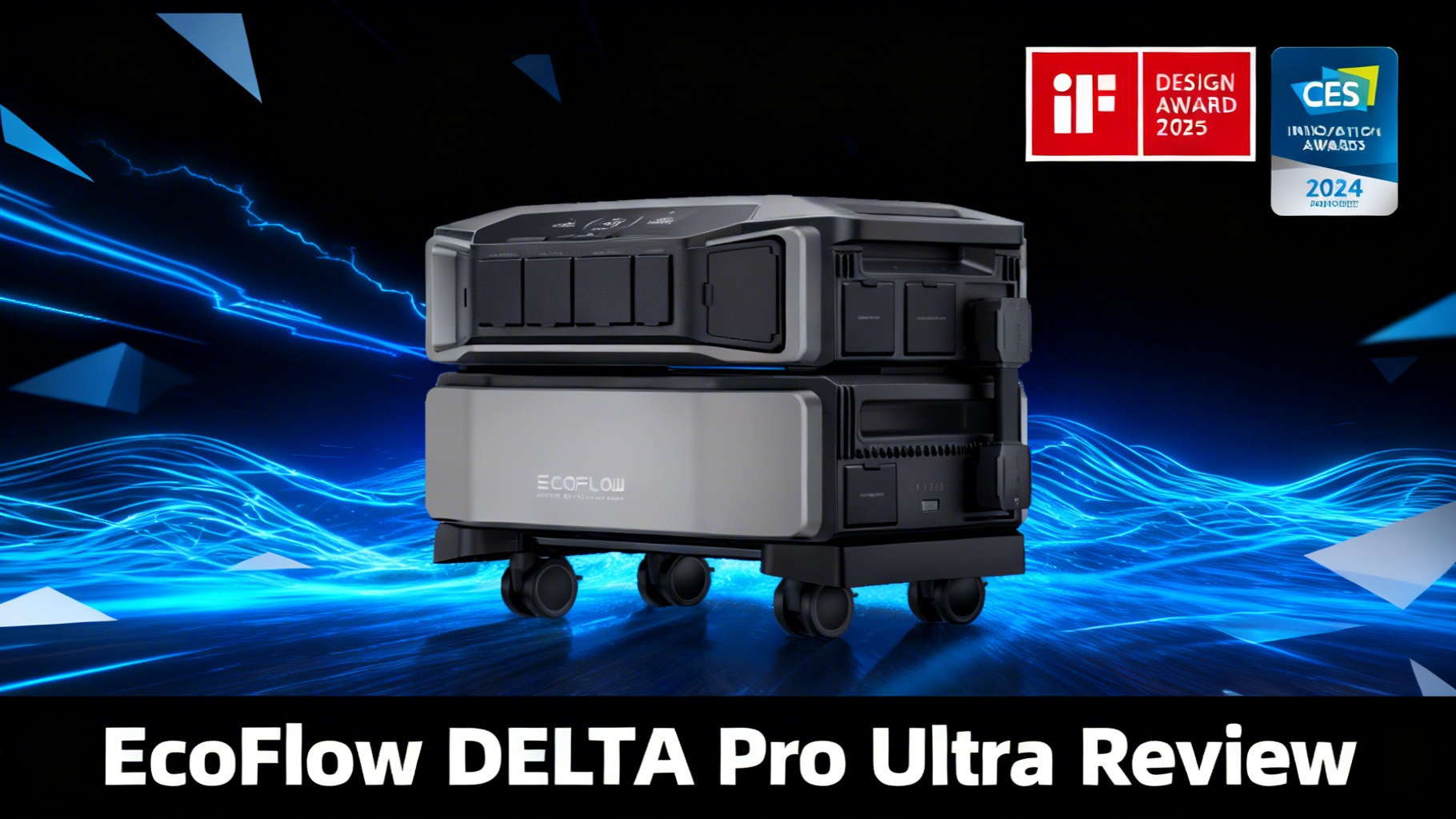
Spending $4,099 on a battery backup system is not an impulse buy. It’s a calculated decision, and one that deserves a thorough breakdown before you commit. The EcoFlow DELTA Pro Ultra positions itself as the company’s flagship whole-home backup solution, promising enough output to run a central AC unit and enough expandable capacity to keep your entire household running for days.
But does the reality match the marketing? And more importantly, is this the right system for your home?
For homeowners evaluating their options, our home backup power stations guide breaks down every category from portable units to whole-home systems. This review focuses specifically on what the DELTA Pro Ultra delivers at its $4,099 price point (down from $6,098), who actually needs this level of backup, and where the money might be better spent on a smaller system like the DELTA Pro 3.

Real-World Look: The EcoFlow Delta Pro Ultra in Use
Studio renders only tell part of the story. Here is the EcoFlow Delta Pro Ultra as it actually looks in a real owner’s hands, away from the polished marketing shots.
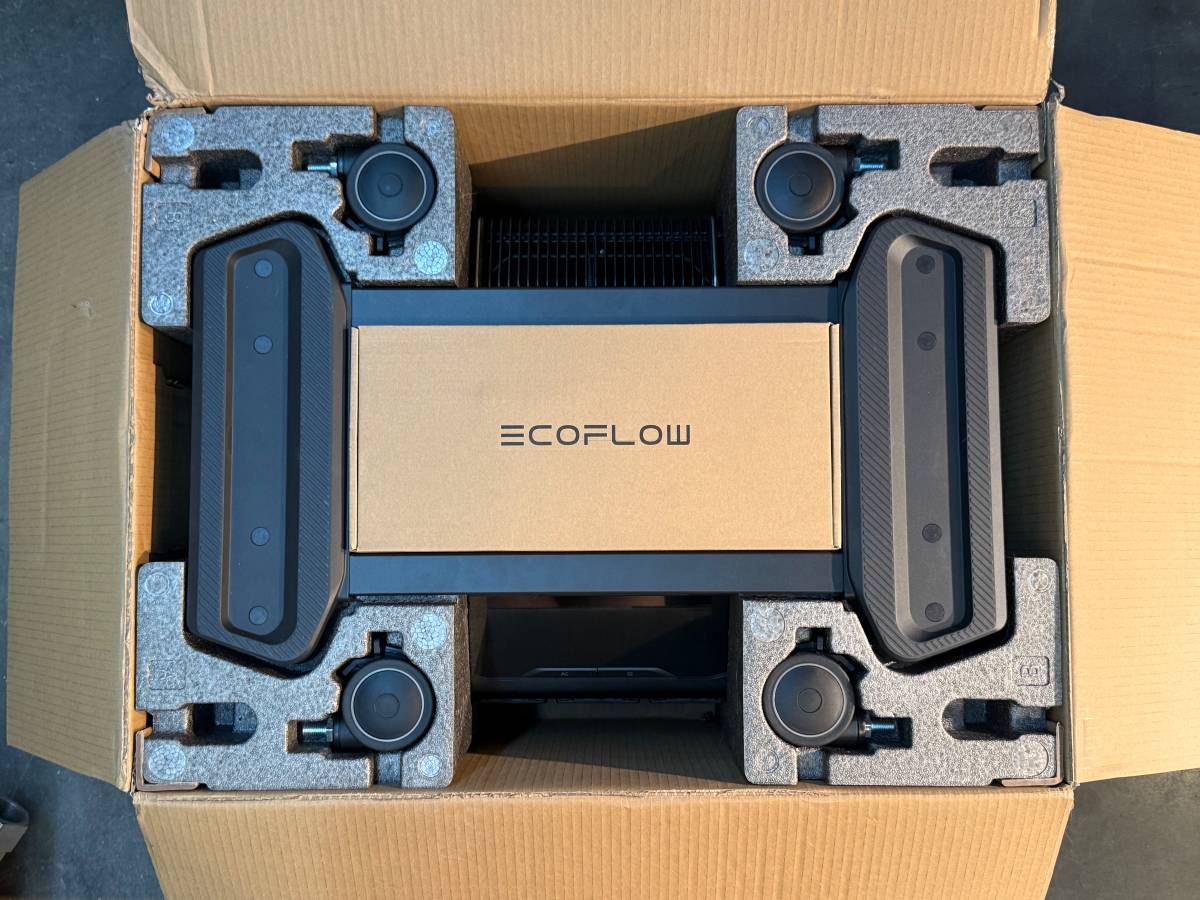
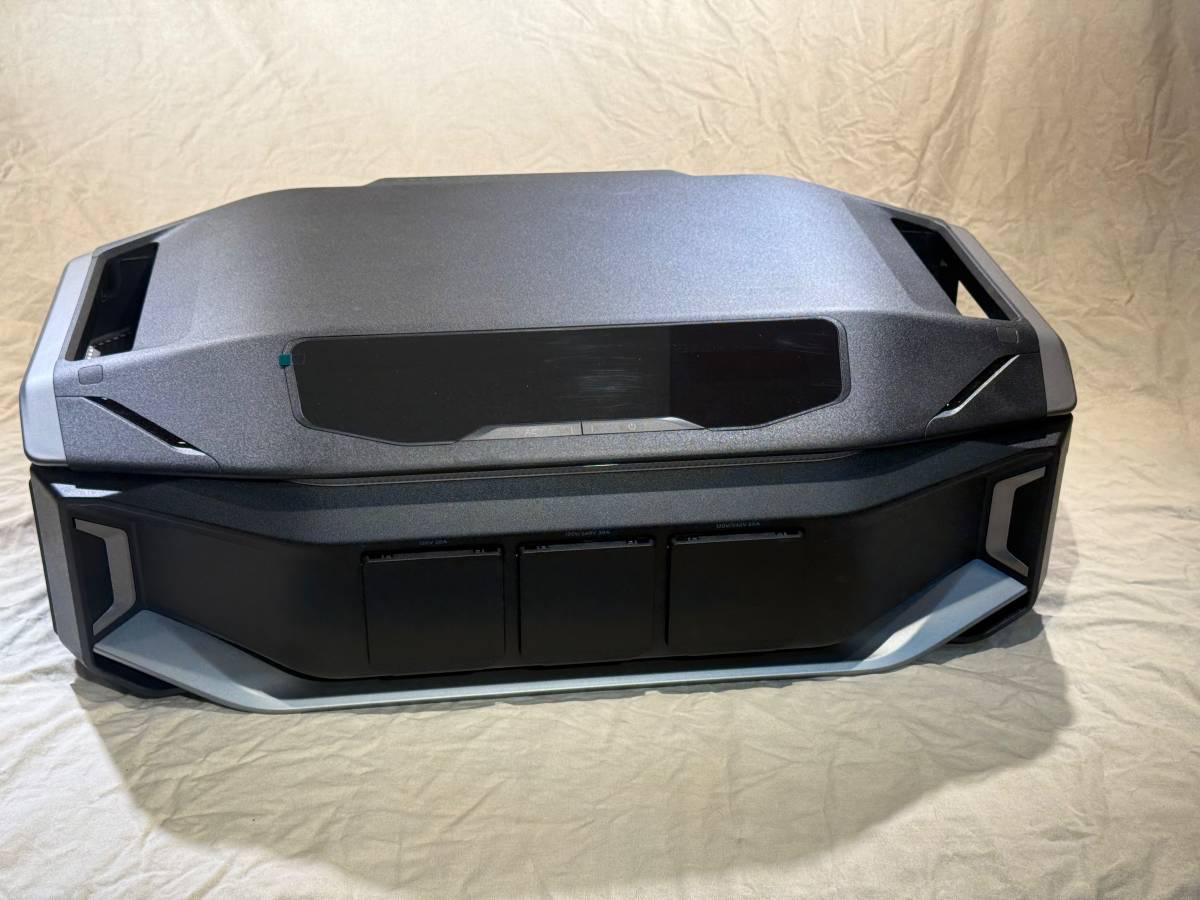
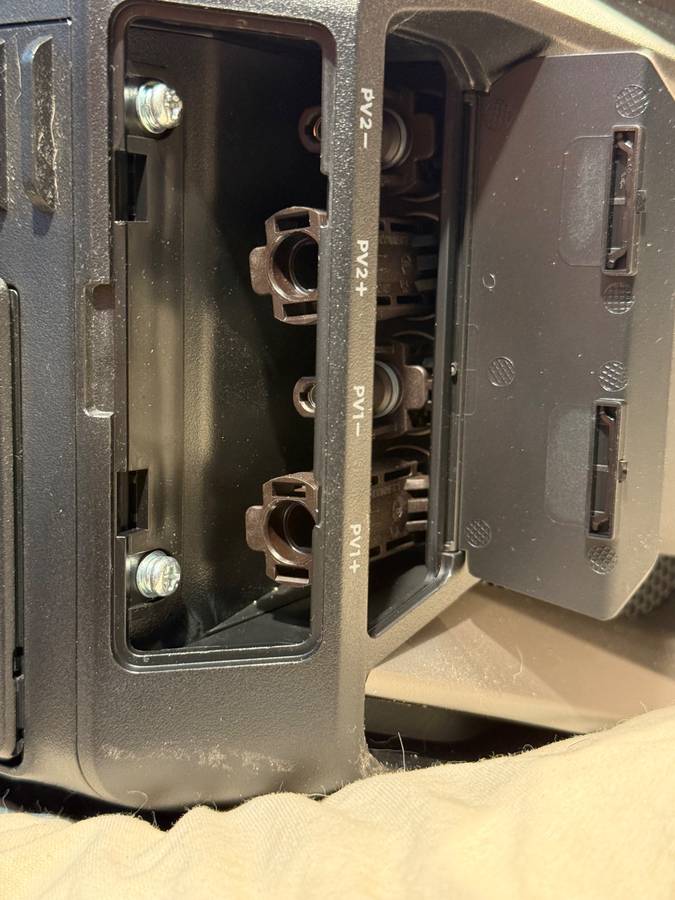
Real-world photos of the EcoFlow Delta Pro Ultra.
EcoFlow DELTA Pro Ultra – Current Best Price
$4,099 $6,098
-33% OFF
- UL 9540 + UL 1973 certified for home use
- 7.2kW output (expandable to 21.6kW)
- 6kWh capacity (expandable to 90kWh)
Price checked March 2026 | Free shipping available
Quick Specs & Key Features
Before diving deeper, here’s what the DELTA Pro Ultra brings to the table at a glance. The base configuration (1 inverter + 1 battery) is the $4,099 package most buyers will start with.

For the full breakdown of every port and accessory, you can check the official EcoFlow DELTA Pro Ultra specs on their product page.
What Sets the DELTA Pro Ultra Apart
There’s no shortage of battery backup systems on the market right now. So what makes the DELTA Pro Ultra worth a closer look at $4,099? The answer comes down to four features that separate it from both portable power stations and traditional wall-mounted home batteries.

Dual UL Certification (UL 1973 + UL 9540)
This is the headline feature, and it matters more than most buyers realize. The DELTA Pro Ultra is the only portable power station certified to both UL 1973 (battery safety) and UL 9540 (energy storage system safety). What does that mean in practical terms? It means this unit meets the same safety standards required for permanently installed home battery systems.
For homeowners, UL 9540 certification can affect insurance eligibility and building code compliance. Some municipalities and insurance providers require this certification for indoor battery storage installations. You can learn more about the UL 9540 certification standard directly from UL’s site.
7.2kW Continuous Output (Expandable to 21.6kW)
The 7,200W continuous output on 240V split phase is what puts the DELTA Pro Ultra in a different category from portable units. Most portable power stations max out at 3,000-4,000W on 120V only. The split-phase 240V output means this system can power large appliances that require 240V circuits: central air conditioners, electric dryers, well pumps, and EV chargers.
With two inverters connected via the optional 50A Hub, output scales to 21,600W. That’s enough to run virtually every circuit in a typical American home simultaneously.
Modular Battery System (6kWh to 90kWh)
The base configuration starts at 6,000Wh (6kWh), which is modest for whole-home backup. However, the modular design allows you to add up to 5 batteries per inverter, scaling to 30kWh per inverter. With dual inverters, the maximum capacity reaches 90kWh, enough to power most homes for several days without any external charging.
This scalability is the key advantage over fixed-capacity systems. You can start with the base unit and add batteries as your budget allows or your needs change.
Self-Heating Battery for Cold Weather
LiFePO4 batteries lose significant capacity in freezing temperatures. The DELTA Pro Ultra addresses this with an automatic self-heating system that activates when the battery temperature drops below 32°F (0°C). This keeps the battery operating normally in cold climates without manual intervention.
If you live in a region where winter power outages are common (ice storms, heavy snow), this feature alone can justify the upgrade from units that require manual cold-weather management.
What Can the DELTA Pro Ultra Power?
This is the question every potential buyer asks first, and the answer depends entirely on your load profile. Here’s what the numbers tell us based on the 6,000Wh base capacity at an estimated 85% inverter efficiency.
What Can It Power? (6,000Wh Base Capacity)
❄️
Central AC (3,500W)
~1.4 hrs
3,500W draw
🏠
Essential Loads (fridge, lights, router)
~15 hrs
~400W avg
🔌
Refrigerator (150W)
~36 hrs
150W avg
💻
Home Office Setup
~20 hrs
~300W total
Runtime estimates based on 6,000Wh capacity at 85% inverter efficiency. Actual runtime varies by appliance cycling and ambient conditions.
The central AC number is the one that catches most people off guard. Running a 3,500W central AC system continuously drains the base 6kWh battery in roughly 1.4 hours. That’s not a typo. If whole-home cooling during an extended outage is your priority, you’ll need at least two or three batteries ($2,099 each) to get meaningful AC runtime.
Where the base configuration shines is essential-load backup: keeping your refrigerator, lights, Wi-Fi router, phone chargers, and a few small appliances running through an overnight outage. At around 400W average draw, you’re looking at approximately 15 hours of runtime, which covers most grid interruptions.


To verify whether your specific appliance load fits within the DELTA Pro Ultra’s 7,200W output, try our power station compatibility checker.
Installation & Smart Home Panel 2
Here’s where the DELTA Pro Ultra diverges from traditional portable power stations. Out of the box, the unit works as a standalone backup: plug in your appliances directly and you’re set. However, unlocking the full potential (automatic switchover, whole-home circuit management, energy bill savings) requires the EcoFlow Smart Home Panel 2 (SHP2), sold separately at approximately $1,499.
The Smart Home Panel 2 replaces a traditional transfer switch, but if you want to understand the underlying electrical concepts, see our transfer switch installation guide. The SHP2 connects to your main electrical panel and allows the DELTA Pro Ultra to automatically take over when grid power drops. The switchover happens in milliseconds, fast enough that most electronics won’t even register the interruption.

Can you self-install? EcoFlow markets the DELTA Pro Ultra as DIY-friendly for qualified homeowners. The inverter and batteries connect together without tools. The SHP2 installation, however, involves working inside your electrical panel. If you’re comfortable with breaker-level electrical work, self-installation is feasible. Otherwise, EcoFlow offers professional installation bundles.
⚠️ Important: Working inside an electrical panel carries serious safety risks. If you have any doubt about your ability to safely complete the SHP2 installation, hire a licensed electrician. The cost of professional installation ($500-$1,500 depending on your area) is a small fraction of the total system investment.
Expandability & Battery Add-Ons
The modular architecture is one of the DELTA Pro Ultra’s strongest selling points, but it’s also where the total cost can escalate quickly. Each Smart Extra Battery adds 6,000Wh of capacity at $2,099. Here’s how the math works at different expansion levels.

The base unit (1 inverter + 1 battery) costs $4,099 for 6kWh, which works out to roughly $0.68 per Wh. Adding a second battery brings you to 12kWh for approximately $5,999 (the 2-battery bundle price), dropping the cost to about $0.50 per Wh. At three batteries (18kWh), you’re around $0.45 per Wh. The cost-per-kWh improves with each additional battery, making expansion financially more efficient than the initial purchase.
The DELTA Pro Ultra pairs particularly well with the Smart Generator 400D, which can recharge the system on propane or gasoline when grid power and solar are both unavailable.
Keep in mind that you can add batteries at any time. Starting with the base unit and adding a second battery six months later is a perfectly valid approach, especially if you want to test whether 6kWh meets your needs before committing further.
What We Love About the DELTA Pro Ultra
Runs Central AC Without Breaking a Sweat
The 7,200W continuous output on 240V split phase is the single biggest differentiator. No other portable-class power station can natively power a central air conditioning system. For homeowners in hot climates where AC is a necessity during summer outages, this capability is non-negotiable.
Industry-First Dual UL Certification
The combined UL 1973 + UL 9540 certification provides peace of mind that goes beyond marketing claims. These are rigorous safety standards for battery systems and energy storage installations. For homeowners concerned about fire safety, insurance requirements, or building code compliance, this certification removes a significant barrier.
5 Charging Options for Maximum Flexibility
AC wall charging, solar panels (up to 5,600W with dual inverters), generator input, EV charger compatibility, and Smart Home Panel grid charging give you redundancy. During an extended outage, you can keep the system topped up with solar panels during the day while drawing down at night. Our DELTA Pro Ultra whole-home setup guide covers installation details. The five charging methods mean that even your backup plan has a backup plan.
Cold Weather Self-Heating Down to 32°F
Automatic self-heating below freezing ensures the battery operates normally in winter conditions. Owner reports from northern climates consistently highlight this as a standout feature compared to competitors that require manual intervention or simply lose capacity in the cold.
What Could Be Better
$4,099 Starting Price Is a Significant Investment
There’s no way around it: $4,099 is a lot of money for a battery backup, especially when the Smart Home Panel 2 ($1,499) and additional batteries ($2,099 each) push the total system cost even higher. A realistic whole-home setup with SHP2 and two batteries runs close to $8,000-$10,000. For context, the EcoFlow DELTA Pro Ultra still undercuts a professionally installed Tesla Powerwall system, but it’s considerably more than portable alternatives.
Base 6kWh Capacity Limits Whole-Home Runtime
The “whole-home backup” positioning is a bit misleading with the base configuration. Running a central AC on 6kWh gives you roughly 1.4 hours of runtime. Even essential loads (fridge, lights, Wi-Fi) only stretch to about 15 hours. For true multi-day whole-home backup, you need at least two or three batteries, which means the real entry price for the use case EcoFlow markets is closer to $6,000-$8,000.
Requires Smart Home Panel 2 for Full Integration
Without the SHP2, you lose automatic switchover, circuit-level load management, and the ability to seamlessly integrate with your home’s electrical system. The DELTA Pro Ultra works standalone, but the experience is fundamentally different. The SHP2 adds $1,499 to the total cost and requires installation work on your electrical panel.
Weight and Size Not Suited for Portability
While EcoFlow classifies this as a “portable” power station, the inverter and battery modules are heavy and bulky. This is a semi-permanent installation for most users, not something you’ll load into your car for a camping trip. If portability matters, the DELTA Pro 3 at 51.8 lbs is a far better option.
How It Compares: DELTA Pro Ultra vs Alternatives
The DELTA Pro Ultra occupies an unusual space between portable power stations and permanent home battery systems. Here’s how it stacks up against the most common alternatives buyers consider. For a broader look at the market, check this home battery storage comparison on EnergySage.

The comparison boils down to three profiles. If you want plug-and-play portability at a lower price, the DELTA Pro 3 is the better fit (see our DELTA Pro Ultra vs DELTA Pro 3 comparison). If you want a professionally installed, high-capacity system and money isn’t the primary concern, the Tesla Powerwall delivers more base capacity. The DELTA Pro Ultra occupies the middle ground: Powerwall-level capabilities at roughly half the installed cost, with the flexibility to start small and scale up. It’s a top pick in our best EcoFlow for home backup guide.
Who Should Buy the DELTA Pro Ultra
✅ Buy this if…
- You need whole-home backup that can run a central AC
- You want a UL 9540-certified system for insurance/code compliance
- You plan to expand capacity over time (up to 90kWh)
- You live in a hurricane, wildfire, or ice storm zone
- You want to pair with solar for long-term energy savings
❌ Skip this if…
- Your budget is under $3,000 (look at DELTA Pro 3 instead)
- You only need portable/camping power
- You rent your home (requires panel installation)
- You want a simple plug-and-play unit with no setup
If you are comparing the DELTA Pro Ultra against fixed installations, our overview of whole-home backup battery systems covers the full landscape. The DELTA Pro Ultra fits best for homeowners who want scalable, UL-certified backup without committing to a $10,000+ permanent installation.
Homeowners in hurricane zones will find the DELTA Pro Ultra pairs well with a broader hurricane preparedness planning strategy. The ability to charge via solar panels during extended grid outages makes it particularly valuable in disaster-prone regions where outages can last days or weeks.
Final Verdict: Is the DELTA Pro Ultra Worth $4,099?
The short answer: for the right buyer, yes. For everyone else, probably not.
The DELTA Pro Ultra is the most capable portable-class battery backup system currently available. The combination of 7,200W output on 240V split phase, dual UL certification, modular expansion to 90kWh, and cold-weather self-heating puts it in a class of its own. No other system in this category matches these specs.
However, capability and value are different conversations. At $4,099 for 6kWh of base capacity, you’re paying a premium for features that many homeowners won’t fully utilize. If you don’t need 240V output, don’t plan to expand beyond 12kWh, and aren’t concerned about UL 9540 certification, the DELTA Pro 3 at $2,799 covers 80% of backup scenarios at a significantly lower cost.
The DELTA Pro Ultra earns its price when you need what nothing else can deliver: a self-installable, UL-certified, whole-home backup system that can run your central AC and scale from 6kWh to 90kWh over time. If that describes your situation, the $4,099 investment makes financial sense compared to the $9,500+ cost of a Tesla Powerwall installation.
EcoFlow DELTA Pro Ultra Overall Rating
8.5/10
“The most capable whole-home battery backup you can buy without a contractor”
| Performance | 9.5/10 |
| Value for Money | 7.0/10 |
| Design & Build | 9.0/10 |
| Charging Speed | 8.5/10 |
| Features & App | 8.5/10 |
EcoFlow DELTA Pro Ultra
$4,099
Best UL-certified whole-home backup under $5,000
Price verified March 2026 | Free shipping available
Frequently Asked Questions
Is the EcoFlow DELTA Pro Ultra worth it?
For homeowners who need whole-home backup with central AC support and UL 9540 certification, the DELTA Pro Ultra delivers capabilities no other portable system matches. The $4,099 price makes sense for homes in outage-prone areas where multi-day backup is essential. For lighter backup needs, the DELTA Pro 3 at $2,799 covers most scenarios at a lower cost.
Can the DELTA Pro Ultra run a central AC?
Yes. With 7,200W continuous output on 240V split phase, the DELTA Pro Ultra can power most residential central AC units (typically 3,000-5,000W startup). This is the key differentiator from smaller units like the DELTA Pro 3, which lacks 240V output. Keep in mind that a central AC running continuously will drain the base 6kWh battery in roughly 1.4 hours, so additional batteries are recommended for extended cooling.
How long does the DELTA Pro Ultra last in a power outage?
With the base 6,000Wh battery, expect approximately 15 hours running essential loads (refrigerator, lights, Wi-Fi, phone charging) or roughly 36 hours powering a refrigerator alone. Adding extra batteries ($2,099 each) extends runtime proportionally. At maximum expansion (90kWh), the system can power essential loads for multiple days without recharging.
Do I need a professional to install the DELTA Pro Ultra?
The DELTA Pro Ultra itself works standalone with no installation required. However, for whole-home backup with automatic switchover, you need the Smart Home Panel 2 ($1,499), which involves electrical panel work. EcoFlow offers professional installation bundles, or qualified DIY homeowners with electrical experience can self-install. If you’re not comfortable working inside an electrical panel, hire a licensed electrician.
What is the difference between DELTA Pro Ultra and DELTA Pro 3?
The DELTA Pro Ultra offers 7,200W output (vs 4,000W), 240V split phase (vs 120V only), UL 9540 certification, and expansion to 90kWh (vs 12kWh). The DELTA Pro 3 is portable and plug-and-play at $2,799, making it ideal for camping, RV use, and light home backup. The DELTA Pro Ultra is a semi-permanent whole-home system at $4,099, designed for homeowners who need central AC backup and long-term scalability.
How many batteries can you add to the DELTA Pro Ultra?
The DELTA Pro Ultra supports up to 5 batteries per inverter, giving you 30kWh per inverter. With dual inverters connected via the 50A Hub, you can reach up to 90kWh total capacity. Each Smart Extra Battery costs $2,099 and adds 6,000Wh. You can add batteries at any time, so starting with the base configuration and expanding later is a common approach.
Related Reads
Originally published: March 22, 2026